When margins evaporate, every wasted euro shows
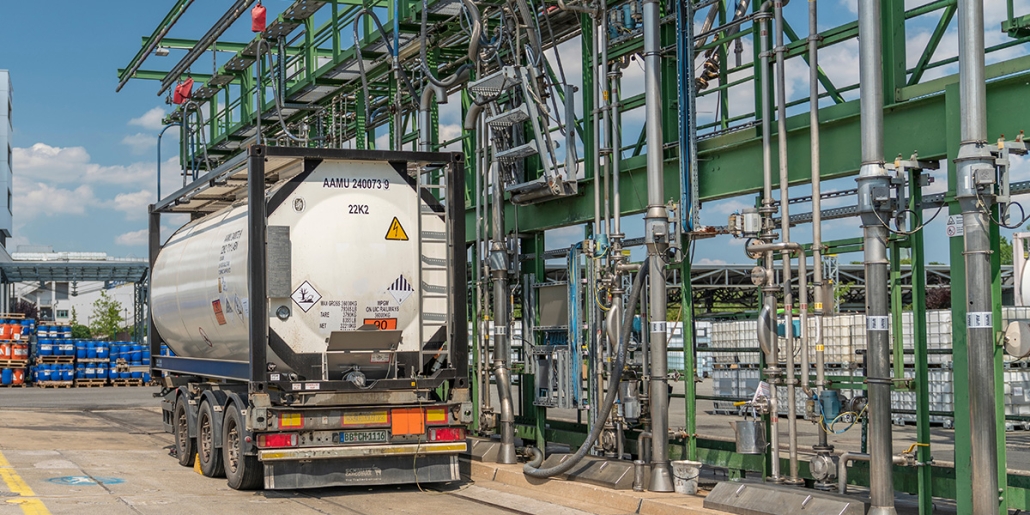
The chemical sector is under pressure. Margins that looked comfortable two years ago are now tight. Companies that ran profitable operations are cutting staff and questioning every line item. If you operate tank containers for chemical transport, you feel this pressure directly. Your customers demand lower rates while your own costs keep climbing. Fuel, maintenance, labor, none of it gets cheaper. In times like these, small inefficiencies you could ignore before suddenly matter. A lot.
In this blog, Bernard Heylen explains how telematics helps transport operators protect margins by eliminating costs that add up faster than most people realize.
The costs hiding in plain sight
When margins are comfortable, you can absorb some waste. A tank sitting empty for an extra few days? Not ideal, but manageable. A heating station bill that looks high? You pay it and move on.
When margins tighten, those small losses become real problems.
Take demurrage. After two free days, an empty tank costs 40 euros per day. If you don’t know exactly when a tank empties, you pay for days you shouldn’t. A tank that sits unnoticed for a week? That’s 200 euros wasted on a single asset. Multiply that across a fleet and you’re looking at significant annual costs.
Or heating costs. A tank needs to stay for example at 41 degrees. It cools in transit and goes to a heating station. Sometimes heating stations charge for longer than the actual heating time. You get billed for hours you didn’t use. Sometimes heating charges make up 50% of the total invoice, and you have no way to verify if it’s justified.
These aren’t operational failures. They’re visibility gaps. You can’t optimize what you can’t see.
Why the crisis makes digitalization urgent, not optional
Some operators assume digitalization is something you invest in when times are good. A nice to have for when budgets allow.
The opposite is true.
When every euro counts, you need to see where money leaks out. Telematics gives you that visibility. Real time data on temperature, location, and status means you know exactly when a tank empties, when it needs heating, and where it sits idle.
That knowledge translates directly into cost control. When a tank empties, you see it nearly real-time. Your planning team can assign the next job immediately instead of discovering two days later that the tank was available all along. Those saved demurrage days add up fast. As a result, you have a better turnaround time of your tanks.
For heating verification, you see exactly when the product temperature dropped and how long it took to reheat. That lets you check if the heating duration on the invoice matches reality. When a station charges for eight hours but your data shows the tank was back at temperature after five, you have grounds to challenge the bill.
Here’s the key difference: telematics prevents costs before they occur, rather than helping you find problems after the damage is done. That preventive effect is what makes the difference in tight markets.
In a sector where margins are under pressure and job cuts are happening, that kind of saving isn’t just helpful. It keeps operations viable.
Efficiency isn’t about working harder
When margins drop, the instinct is to push harder. Run more loads. Cut more costs. Work longer hours.
That approach has limits. There are only so many hours in a day, and your team is already stretched.
Telematics changes the equation. Instead of working harder, you work smarter. Your planning team sees the whole fleet in one dashboard. Your operations team gets alerts when something needs attention. Your finance team has data to verify invoices and negotiate rates.
The result? You handle the same workload with fewer surprises, less wasted time, and lower costs.
That efficiency compounds. Every tank you move faster. Every heating bill you catch. Every demurrage charge you avoid. Small improvements add up to significant margin protection over time.
What operators who wait are missing
Some operators delay investing in telematics because they’re not sure about ROI in a tight market. The calculation seems risky when budgets are under scrutiny.
But the real risk is waiting. Every month without visibility means paying for inefficiencies you could eliminate. Heating invoices you can’t verify. Demurrage charges you absorb because you didn’t know a tank was ready.
That’s why timing matters. The operators who invest now are the ones who come out of this period stronger. They have lower costs, better data, and more control over their operations. When the market recovers, they’re already optimized and ready to scale.
The operators who wait are still trying to catch up, still paying for waste they could have eliminated years earlier.
Controlling costs starts with knowing where money goes
You can’t control costs you can’t measure. Telematics makes the invisible visible.
It shows you which tanks sit too long, which heating stations overcharge, which routes waste fuel, and which processes drain money without adding value.
Once you see that, you can act. Not with guesswork or assumptions, but with data that tells you exactly where to focus.
In a sector where margins are under pressure and every euro matters, that visibility isn’t a luxury. It’s how you stay competitive.
Want to see where your operation is losing money?
We’ll map your demurrage, heating and idle time losses in under 30 minutes. Schedule a call with Bart or Bernard and share your fleet size and current challenges.
Bernard Heylen is Sales Director at Intermodal Telematics, where he helps transport operators in chemical logistics eliminate waste and protect margins through real time visibility.


Leave a Reply
Want to join the discussion?Feel free to contribute!